
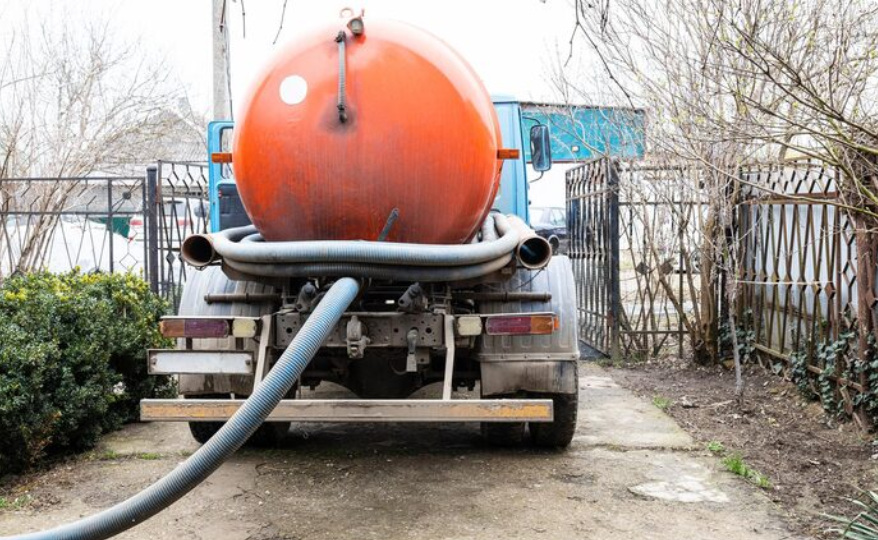
A septic system is an important part of many homes that are not connected to a city sewer line. It helps treat and manage household wastewater safely underground. Over time, solid waste builds up inside the septic tank, which can reduce its performance and cause serious problems if not handled properly. This is where septic tank pumping plays a key role. Regular maintenance ensures the system continues working smoothly, prevents blockages, and avoids costly repairs. Understanding how septic tank pumping works can help homeowners keep their system efficient and long-lasting.
Understanding Septic Tank Pumping
Septic tank pumping is the process of removing accumulated sludge, solids, and scum from inside the septic tank. When wastewater flows into the tank, heavy solids settle at the bottom, while oils and grease float to the top. The remaining liquid flows out to the drain field for further treatment. However, the solid waste does not disappear on its own. Over time, it builds up and reduces the tank’s capacity. Pumping is done using specialized equipment that safely removes these materials, restoring the tank’s proper functioning and preventing overflow or backup issues.
Importance of Regular Pumping
Regular septic tank pumping is essential for maintaining a healthy and efficient septic system. When a tank becomes too full, it can no longer separate waste properly, which leads to system failure. This may cause unpleasant odors, slow drainage, or even sewage backups inside the home. Routine pumping helps prevent these problems by keeping the tank at the right level. It also protects the drain field from becoming clogged, which is often expensive to repair. By maintaining a consistent pumping schedule, homeowners can extend the life of their entire septic system.
How Pumping Improves System Efficiency
A well-maintained septic tank works more efficiently because there is enough space for wastewater to separate properly. When sludge and solid waste are removed through septic tank pumping, the system can process new wastewater without strain. This improves the flow of water and ensures that harmful materials do not enter the drain field. Efficient operation also reduces the risk of blockages and allows bacteria inside the tank to break down waste more effectively. As a result, the entire system performs better and requires fewer repairs over time.
Signs That Your Tank Needs Pumping
There are several warning signs that indicate a septic tank may need pumping. Slow drains in sinks, bathtubs, or toilets are often an early signal. Bad smells coming from drains or the yard area can also point to a full tank. In some cases, you may notice wet spots or unusually green grass around the drain field, which suggests wastewater is not being processed correctly. Ignoring these signs can lead to serious damage, so it is important to schedule pumping as soon as possible when these issues appear.
Benefits of Professional Maintenance
Hiring professionals for septic tank pumping ensures the job is done safely and correctly. Experts have the right tools and experience to handle waste without causing damage to the system or environment. They can also inspect the tank for cracks, leaks, or other potential issues during the service. Regular professional maintenance helps avoid emergency situations and keeps the system running smoothly for many years. It also gives homeowners peace of mind knowing their wastewater system is properly managed.
Conclusion
Septic tank pumping is a vital part of maintaining an efficient and reliable septic system. It prevents waste buildup, reduces the risk of system failure, and ensures smooth wastewater treatment. By scheduling regular pumping and paying attention to warning signs, homeowners can protect their property from costly damage. Proper care and timely maintenance not only improve system performance but also extend its lifespan, making septic tank pumping an essential practice for every septic system owner.