
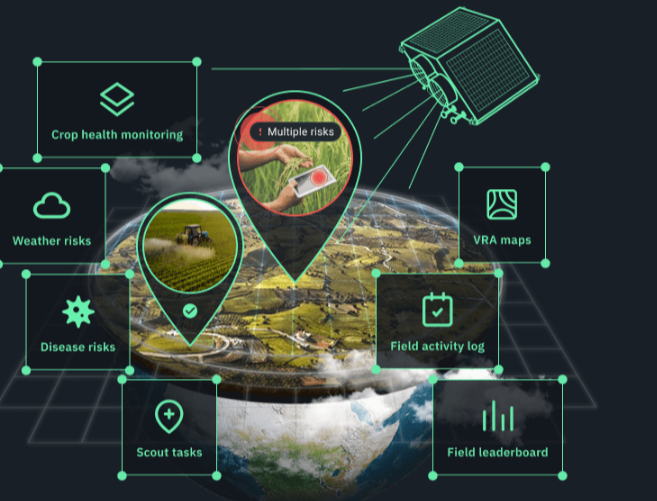
Evaluating complex, multi-layered data to predict outcomes requires a systematic framework. When modeling biological systems—such as in agrigenomics (using genomic data to improve crop utility and sustainable agriculture)—advanced crop breeding relies heavily on integrating multi-omics data through machine learning algorithms.
Instead of traditional trial-and-error breeding cycles that take years, predictive models leverage data layers simultaneously to forecast performance accurately.
The Predictive Modeling Pipeline
To understand how distinct molecular layers map to physical traits, data typically moves through a coordinated analytical sequence:
1.Multi-Omics Data Harvesting:Data Prep Layer.
Isolate and sequence samples to extract genomic (DNA markers), transcriptomic (RNA expression profiles), and metabolomic (chemical compounds) data simultaneously.
2.Feature Dimensionality Reduction:Filtering Noise.
Apply algorithms like Random Forests or autoencoders to filter millions of genetic variations, isolating only the highest-signal molecular markers linked to target traits.
3.Deep Learning Fusion:Model Training.
Feed the filtered, multi-layered data into Deep Neural Networks (DNNs) or Convolutional Neural Networks (CNNs) along with historical environmental climate data.
4.Genotype-to-Phenotype Prediction:Output Matrix.
Generate explicit prediction scores for future hybrid success (e.g., precise crop yield under drought conditions) before seeds are ever planted in a physical trial plot.
Comparison of Computational Breeding Approaches
Depending on the scale of available data and computational infrastructure, different algorithmic strategies offer varying levels of accuracy and complexity:
| Method | Data Inputs Required | Predictive Target | Strengths | Constraints |
| Traditional Genomic Selection | Single Nucleotide Polymorphisms (SNPs / DNA markers) | General breeding values ($GBVs$) | Proven statistical baseline; low infrastructure cost | Struggles to capture complex, non-linear gene interactions |
| Machine Learning (Random Forest / SVM) | SNPs + Digital Phenotyping Images | Complex physical traits (Biomass, Disease resistance) | Excellent at managing non-linear relationships | High risk of overfitting on small baseline datasets |
| Multi-Omics Deep Learning | DNA + RNA + Metabolome + Climate Logs | Yield stability under volatile climate stress | Extremely high accuracy; captures complete systemic biology | Requires intensive computational power and massive training sets |
Key Nuance: The integration of structural pangenomes—which map the entire genetic diversity of a species rather than a single reference individual—allows modern neural networks to capture missing accessory genes. This capability is vital for identifying hidden, climate-resilient traits.
Technical Limitations
While these AI systems drastically accelerate selection cycles, implementation faces real technical bottlenecks:
- The G×E Challenge: Modeling the precise Genotype-by-Environment ($G \times E$) interaction remains incredibly difficult due to the unpredictability of shifting weather patterns across local microclimates.
- Data Scarcity vs. Synthetic Augmentation: Deep learning architectures require massive training sets. When high-throughput physical data is limited, teams rely on techniques like transfer learning and data augmentation to simulate complex environmental conditions.
For an in-depth perspective on how genomic prediction models have evolved over the decades and where predictive data modeling is heading next, watch this episode of the This audio discussion details the fundamental statistics and milestones shaping modern agricultural genomic selection.