
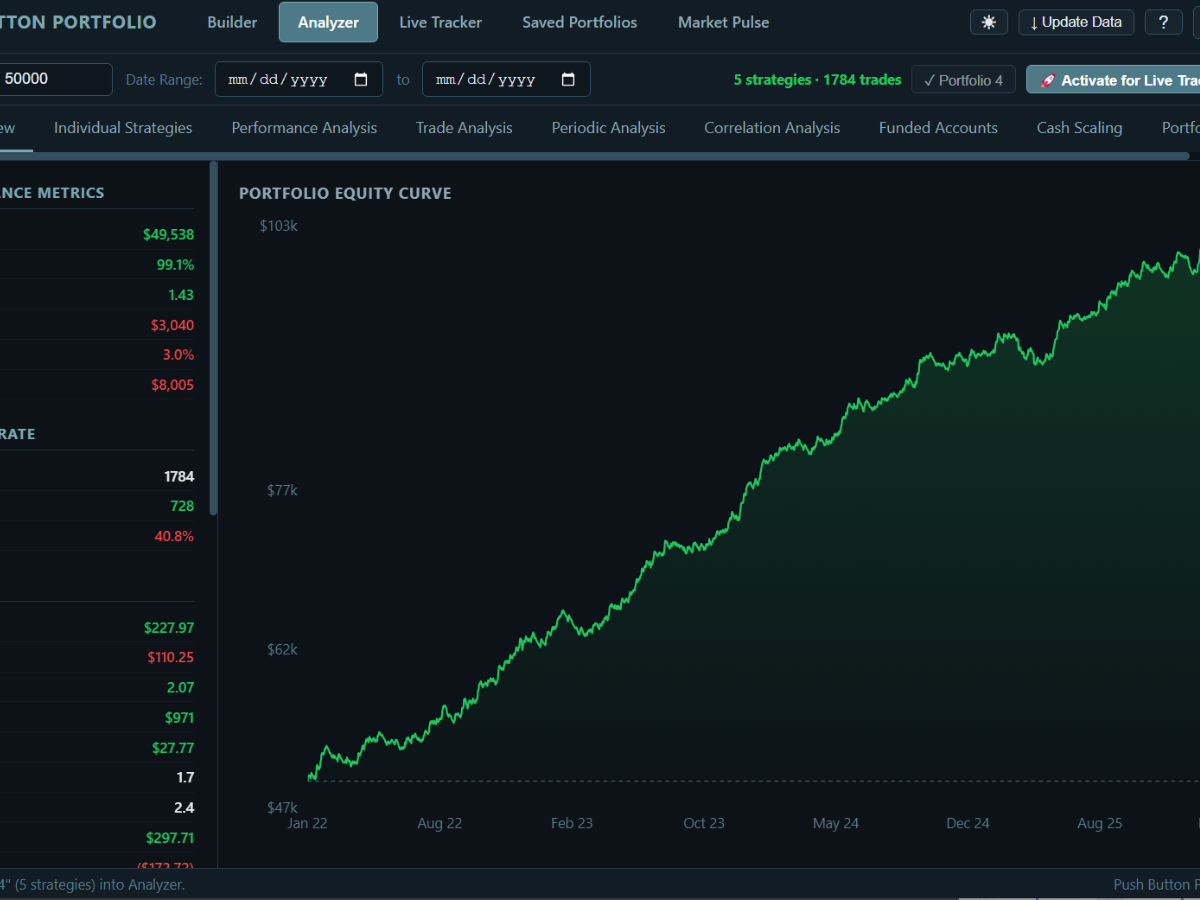
In 2026, Ninja Trader Automation Systems will become a core focus for traders seeking consistency, structure, and rule-based execution in highly volatile markets. As trading technology continues to evolve, automation is no longer optional for serious participants; it is a foundational tool for managing speed, risk, and decision accuracy.
Platforms like Push Button Trading are helping traders adopt structured automation frameworks that integrate directly into platforms such as NinjaTrader. Their approach supports traders in building more consistent, rules-based workflows that reduce guesswork and improve execution discipline in real market conditions. This shift reflects a broader movement toward systematic trading, where decisions are based on predefined logic rather than emotional reaction.
This article breaks down how effective automation systems work, what makes them reliable in 2026, and how traders can apply them with discipline and structure.
What Are Ninja Trader Automation Systems?
Ninja Trader Automation Systems are rule-based trading solutions designed to automate trade execution within the NinjaTrader 8 platform. Instead of manually monitoring markets and placing trades, traders can use automated systems that follow predefined rules and execute trades when specific conditions are met.
These systems commonly include:
- Automated trade entries and exits based on strategy-defined criteria
- Built-in stop-loss and profit-target management
- Position sizing and risk-control settings
- Market-condition filters that determine when a strategy can trade
- Historical backtesting capabilities to evaluate performance before live deployment
Modern automation systems often provide tools for strategy testing, portfolio analysis, and trade management, helping traders evaluate how different approaches may perform across varying market conditions. By relying on structured trading logic rather than emotional reactions, traders can maintain greater consistency in execution and follow their strategies more systematically. When properly configured and monitored, Ninja Trader Automation Systems can support a disciplined approach to futures trading while reducing the need for constant manual intervention.
Why Automation Systems Are Critical in 2026
Trading in 2026 continues to be shaped by rapid market movements, increased access to data, and growing interest in systematic trading approaches. As traders look for ways to improve consistency and efficiency, automation systems have become an important tool for implementing predefined strategies and managing trades more effectively.
1. Faster Trade Execution
Automated systems can execute trades as soon as predefined conditions are met, helping traders respond to market opportunities without the delays that can occur with manual order placement.
2. Greater Consistency
Automation follows established trading rules exactly as programmed. This allows traders to apply their strategies more consistently across different market conditions and trading sessions.
3. Reduced Emotional Influence
Emotions such as fear, hesitation, and overconfidence can affect trading decisions. By following predefined rules, automation helps traders maintain a more disciplined approach to execution.
4. Efficient Strategy Management
Automation systems can monitor markets continuously and manage trading activity based on predetermined criteria. This can make it easier for traders to oversee multiple strategies and evaluate performance without constantly watching charts.
As automation technology continues to advance, many traders are incorporating rule-based systems, backtesting tools, and performance analysis into their workflows to support more structured decision-making and long-term strategy development. This growing focus on systematic execution is one reason automation remains highly relevant in 2026.
Key Components of a Reliable Automation System
A reliable Ninja Trader Automation System is built on clearly defined rules, effective risk controls, and ongoing performance evaluation. Rather than relying on subjective decision-making, automated systems are designed to execute trading strategies consistently based on predetermined criteria.
Strategy Rules
Every automation system starts with a defined set of trading rules. These rules determine when trades are entered, managed, and exited based on specific market conditions and strategy parameters.
Risk Management Controls
Effective automation includes risk management features that help traders manage exposure through predefined stop-loss levels, profit targets, and position-sizing settings. These controls help maintain discipline and consistency throughout the trading process.
Automated Execution
Once a strategy is active, the system can monitor market conditions and execute trades according to its programmed rules. This helps reduce the need for constant manual order placement while maintaining consistency in execution.
Backtesting and Performance Analysis
Historical testing allows traders to evaluate how a strategy would have performed under past market conditions. Performance analysis can help identify strengths, weaknesses, and areas for refinement before a strategy is deployed in a live environment.
When combined, these components create a structured framework that supports systematic trading, helping traders implement, evaluate, and manage automated strategies with greater consistency and efficiency.
Benefits of Ninja Trader Automation Systems
When properly configured and managed, Ninja Trader Automation Systems can provide several practical benefits for traders seeking a more structured approach to the markets.
- More consistent execution of predefined trading rules
- Reduced need for manual trade entry and management
- Less influence from emotional decision-making
- Improved efficiency when monitoring and managing strategies
- Ability to evaluate strategies through historical testing and performance analysis
- Greater flexibility in managing multiple automated trading systems
These advantages can help traders implement and manage rule-based strategies more effectively while maintaining a disciplined and systematic trading process. As automation technology continues to evolve, many traders are incorporating automated systems into their workflows to support consistency, strategy evaluation, and ongoing performance monitoring.
How Automation Platforms Support Trading Systems
Modern automation platforms help traders run rule-based strategies inside NinjaTrader by reducing manual execution and improving consistency. They are built to support systematic trading through automation, testing, and performance tracking.
Key features typically include:
- Automated trading bots that execute predefined strategy rules
- Backtesting tools for evaluating historical performance
- Portfolio management for organizing multiple strategies
- Trade-copying features to mirror activity across accounts
- Performance monitoring for ongoing strategy review
Together, these tools help traders apply structured, data-driven trading processes with greater consistency and efficiency in 2026.
Best Practices for Automation Systems
Building reliable Ninja Trader Automation Systems requires a structured approach focused on consistency, testing, and system control. Traders typically improve results by following disciplined system management practices.
- Start with simple, rule-based strategies that are easy to test and manage
- Use backtesting tools to evaluate how systems perform on historical data
- Apply forward testing before running strategies in live market conditions
- Monitor automated systems regularly to ensure consistent execution
- Organize strategies using portfolio-based management for better oversight
These practices help traders maintain structured automation workflows and improve how systems are deployed, evaluated, and managed over time.
Common Mistakes in Automation Systems
Even when using Ninja Trader Automation Systems, performance issues can occur if systems are not properly designed, tested, or managed within an automated environment.
- Overfitting strategies during backtesting, leading to unrealistic performance expectations
- Ignoring execution factors such as slippage, commissions, and live market conditions
- Running systems without proper forward testing before live deployment
- Failing to monitor automated strategies after activation
- Relying on a single automated system instead of managing a structured portfolio of strategies
Avoiding these issues helps traders maintain more stable and consistent automation workflows while improving how systems are evaluated and managed over time.
The Future of Ninja Trader Automation Systems
In 2026 and beyond, Ninja Trader Automation Systems are expected to continue evolving as more traders adopt structured, rule-based trading approaches supported by automation tools and performance analysis.
Key developments shaping this space include:
- More advanced automation tools for strategy execution and trade management
- Improved backtesting and performance analysis capabilities
- Greater use of portfolio-based trading systems to manage multiple strategies
- Enhanced tools for monitoring and refining automated trading behavior
Despite ongoing technological improvements, long-term success will continue to depend on well-structured strategies, consistent system monitoring, and disciplined execution of predefined trading rules.
Final Thoughts
Ninja Trader Automation Systems in 2026 are built on one key principle: consistency through structure. Traders who rely on clear rules, disciplined execution, and tested strategies are better positioned to navigate modern markets.
With automation-focused tools and the NinjaTrader environment, automated trading is becoming more accessible and practical for traders at different levels. These systems support structured execution, performance evaluation, and ongoing strategy management within a rule-based framework.
The future of trading is not just faster; it is more systematic, with automation playing a central role in how strategies are developed, tested, and executed.
Push Button Trading
1113 Murfreesboro Rd Ste 106
Phone: (615) 819-5215
Website: https://www.pushbuttontrading.co/