
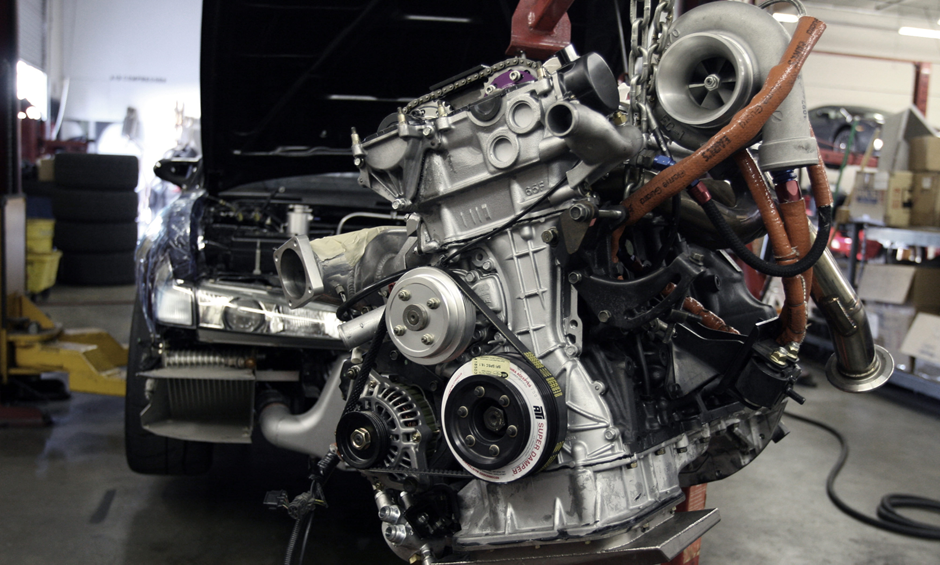
When it comes to maintaining or upgrading a vehicle, the decision to purchase a used engine can offer significant advantages. Used engines, often sourced from vehicles that have been decommissioned or salvaged, present an economical alternative to brand-new engines. This article explores the benefits and considerations associated with buying used engines, helping consumers make informed choices that best suit their needs.
Benefits of Purchasing Used Engines
1. Cost Efficiency
One of the most compelling reasons to consider used engines is the cost savings. New engines can be prohibitively expensive, and many consumers seek budget-friendly alternatives. Used engines, by contrast, are available at a fraction of the cost. This cost efficiency makes them an attractive option for those looking to extend the life of their vehicle without incurring a substantial financial burden.
2. Environmental Impact
Opting for a used engine is also a more environmentally conscious choice. By reusing an engine from a decommissioned vehicle, you contribute to the reduction of waste and the overall carbon footprint associated with manufacturing new parts. This practice supports a more sustainable approach to automotive repair and maintenance.
3. Availability of Rare or Older Models
For enthusiasts or owners of vintage vehicles, finding replacement parts for older or rare models can be challenging. Used engines provide a viable solution for sourcing engines that are no longer in production. This availability ensures that even older vehicles can continue to function and be preserved for future generations.
Considerations When Buying Used Engines
1. Engine Condition and History
The condition of a used engine is a critical factor to assess before purchase. Engines can vary significantly in terms of wear and tear, and understanding the engine’s history is essential. Reputable sellers often provide detailed records of the engine’s previous usage, mileage, and any repairs or maintenance performed. Buyers should thoroughly review this information and consider having the engine inspected by a qualified mechanic to assess its condition.
2. Warranty and Return Policies
Unlike new engines, used engines may come with limited or no warranty. It is crucial to inquire about the warranty offered by the seller and understand the terms and conditions. Additionally, familiarize yourself with the return policy in case the engine does not meet expectations or fails shortly after installation. A clear warranty and return policy can provide added peace of mind.
3. Compatibility and Fit
Ensuring that the used engine is compatible with your vehicle is essential. Engines must match the specifications of your vehicle’s make and model to function correctly. Consult with a professional or refer to the vehicle’s service manual to confirm compatibility before making a purchase. This step helps avoid costly mistakes and ensures that the engine will integrate seamlessly with your vehicle.
4. Seller Reputation
The reputation of the seller plays a significant role in the quality and reliability of the used engine. Research potential sellers and seek out reviews or recommendations from previous customers. Reputable sellers often have a track record of providing quality used engines and offering reliable customer service. Choosing a trusted seller can mitigate risks and ensure a more satisfactory purchase experience.
Installation and Maintenance
1. Professional Installation
The installation of a used engine requires expertise and precision. It is advisable to have the engine installed by a professional mechanic who is experienced in engine replacements. Proper installation ensures that the engine functions correctly and reduces the likelihood of future issues.
2. Ongoing Maintenance
Once the used engine is installed, regular maintenance is crucial to ensure its longevity and optimal performance. Adhere to the recommended maintenance schedule, including oil changes, filter replacements, and routine inspections. Proper upkeep will help extend the lifespan of the engine and maintain the vehicle’s overall performance.
Conclusion
Purchasing a used engine can be a prudent and cost-effective decision for vehicle owners seeking to repair or upgrade their vehicles. The advantages, including cost efficiency, environmental benefits, and the availability of rare models, make used engines an appealing option. However, it is essential to consider factors such as engine condition, warranty, compatibility, and the reputation of the seller. By carefully evaluating these aspects and seeking professional assistance, consumers can make informed decisions and enjoy the benefits of a reliable and functional used engine.
Whether you are looking to breathe new life into an older vehicle or find a cost-effective solution for an engine replacement, understanding the intricacies of buying used engines will help you navigate the process with confidence.